
Species Guide
Wasps, Hornets & Bees — The Complete UK Species Identification Guide
The single most important thing we do before any treatment is confirm the species. We will never treat a bee nest, and we will not treat any nest until we know exactly what we are dealing with.
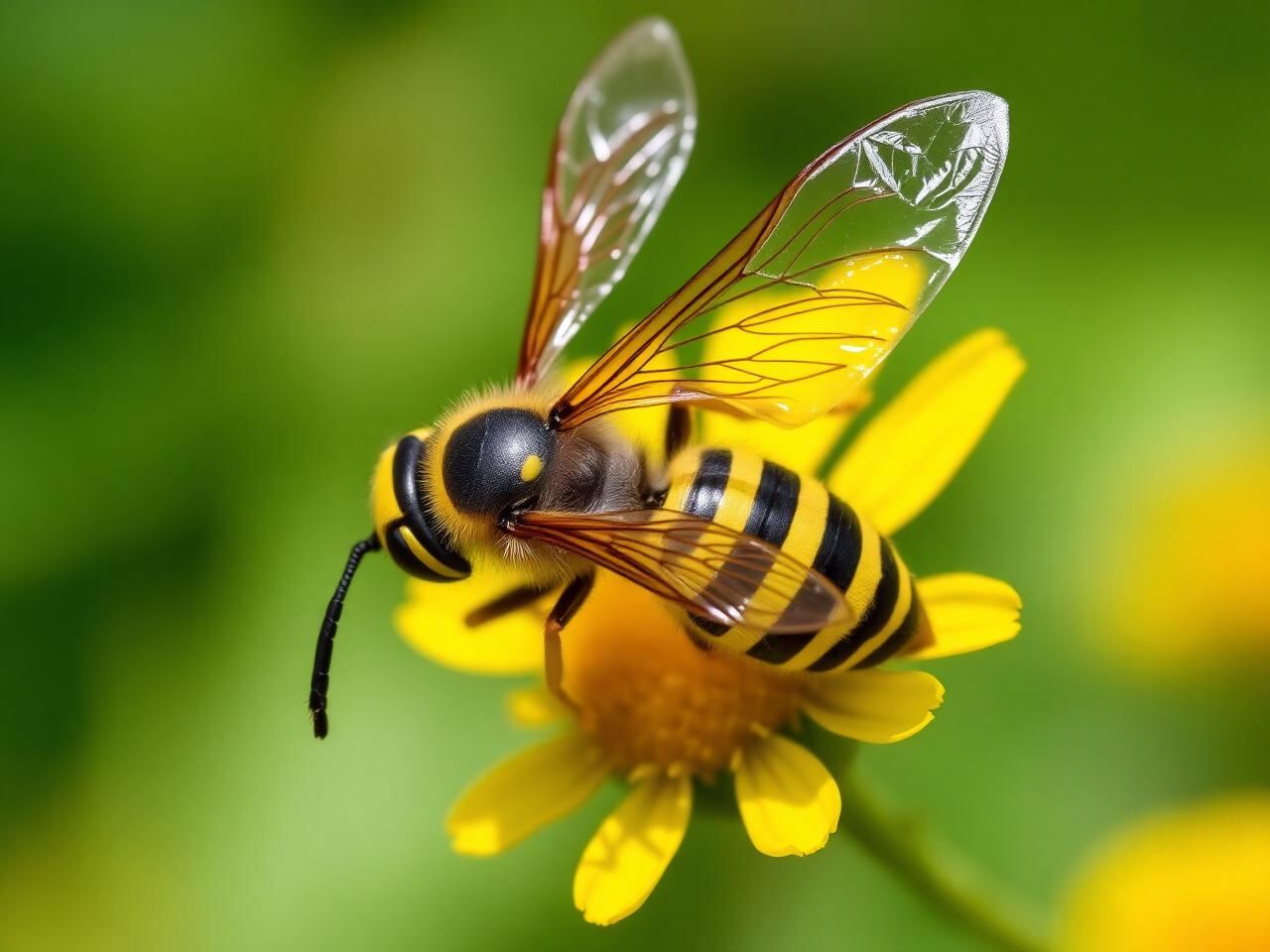
The UK has over 9,000 species of wasp and bee, but the number that genuinely cause problems for homeowners is small. Here is everything you need to know about the ones that matter.
UK wasp species
Common Wasp (Vespula vulgaris)
The most frequently encountered wasp in Hertfordshire gardens, lofts, and buildings. Responsible for the majority of our call-outs from May to October.
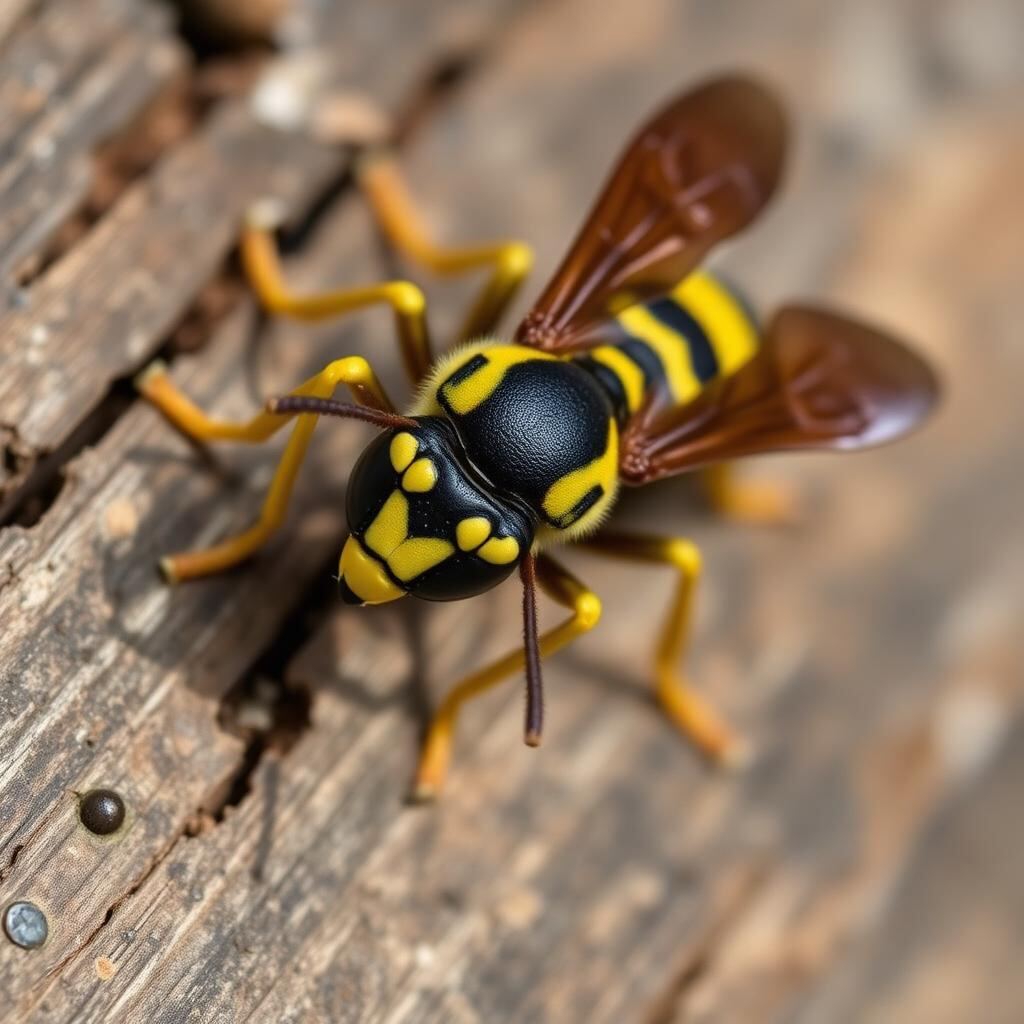
| Feature | Detail |
|---|---|
| Size | Worker 12-17mm, Queen 20mm |
| Colouring | Bright yellow and black alternating bands on abdomen |
| Face markings | Anchor-shaped or dagger-shaped black mark on yellow face — key distinguishing feature from German Wasp |
| Nest material | Grey papery material from chewed wood pulp |
| Typical nest sites | Lofts, roof voids, wall cavities, underground, garden sheds |
| Colony size | Up to 5,000-8,000 workers at peak |
| Season | April (queen) through October (colony dies) |
| Should I treat? | Yes, if the nest is near where people live, work, or play |
German Wasp (Vespula germanica)
Almost identical to the Common Wasp in appearance and behaviour. The two species are often found nesting in the same types of location and require identical treatment.
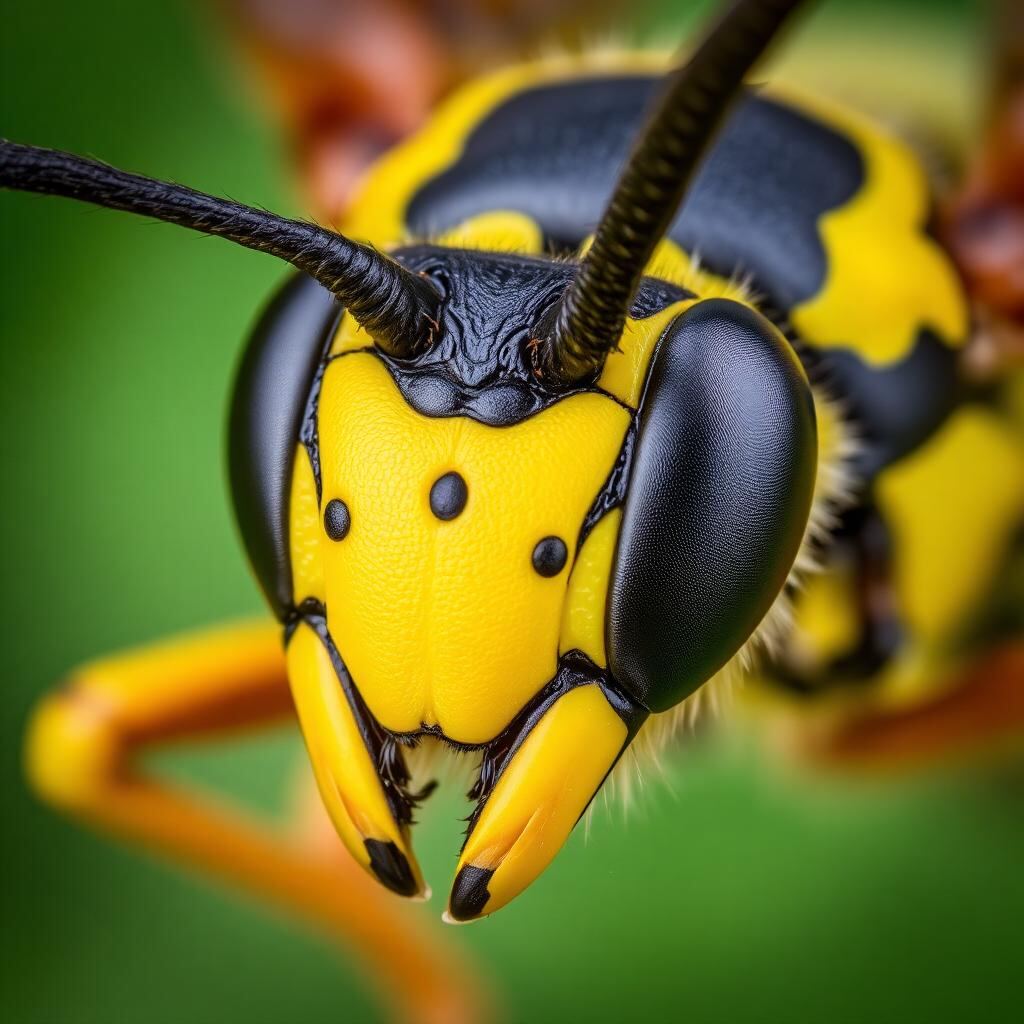
| Feature | Detail |
|---|---|
| Size | Worker 13-20mm, Queen 20mm |
| Face markings | Three black dots on face (vs anchor shape of Common Wasp) |
| Nest material | Same grey papery material — nests often larger than Common Wasp |
| Colony size | Up to 10,000+ workers — often larger than Common Wasp colonies |
| Season | April through October |
| Should I treat? | Yes, same as Common Wasp |
Other UK wasp species worth knowing
- Tree Wasp (Dolichovespula sylvestris) — small rounded free-hanging nests in trees and hedgerows. Small colony (under 1,000 workers). Rarely needs treatment.
- Norwegian Wasp (Dolichovespula norwegica) — similar to Tree Wasp. Builds nests in low bushes and occasionally lofts.
- Red Wasp (Vespula rufa) — smaller and less common. Reddish colouring at the base of the abdomen. Small colonies.
- Field Wasp (Polistes dominula) — slender, distinctive wasp with a narrow waist. Small open-celled nests under eaves. Not aggressive.
UK hornet species
European Hornet (Vespa crabro)
Britain's native hornet and our largest social wasp. Large and impressive but significantly less aggressive than the common wasp. See our full hornets page for detail.
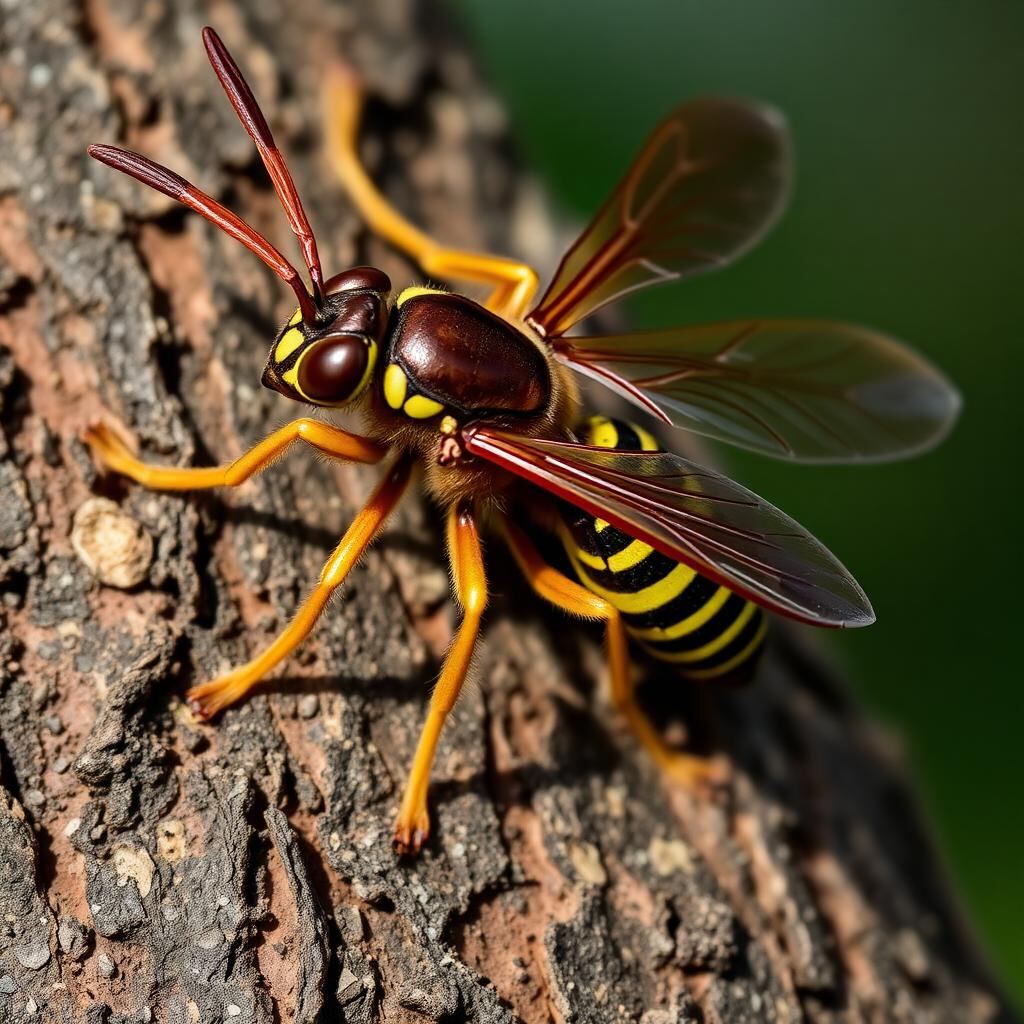
| Feature | Detail |
|---|---|
| Size | Worker 25-30mm, Queen 30-35mm |
| Colouring | Brown thorax, yellow-brown abdomen with brown markings |
| Legs | Brown or amber — NOT yellow (key difference from Asian Hornet) |
| Night activity | Active at night, strongly attracted to lights — unique among UK stinging insects |
| Nest sites | Hollow trees, loft spaces, wall cavities, bird boxes |
| Colony size | 500-750 workers at peak — much smaller than wasp colonies |
| Should I treat? | Only if the nest is a risk to people |
Asian Hornet (Vespa velutina) — Yellow-Legged Hornet
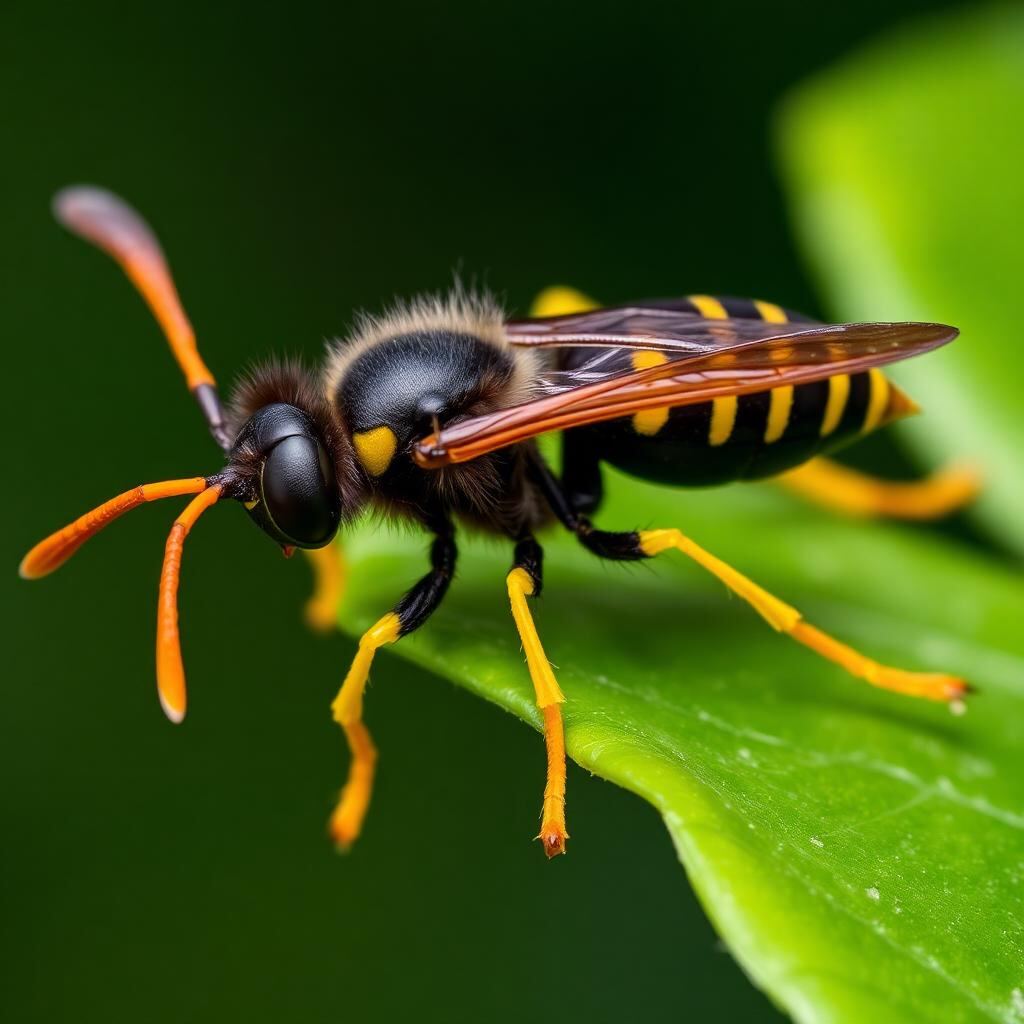
| Feature | Detail |
|---|---|
| Size | Worker 25mm, Queen 30mm — slightly smaller than European Hornet |
| Body colour | Predominantly dark brown or black. Single orange-yellow band on abdominal segment 4. |
| LEGS | YELLOW-TIPPED — the single most reliable identification feature. No other UK wasp or hornet has yellow legs. |
| Head | Black with an orange-yellow face |
| Night activity | NOT active at night — unlike European Hornet |
| Nest sites | Almost always high in tree canopies (10m+). NOT in buildings or underground. |
| Nest appearance | Large, grey-brown papery sphere with a side entrance hole. Can exceed 60cm diameter. |
UK bee species — identification & when to call us
We do not treat bee nests unless there is a genuine and documented safety risk. If you call us about what turns out to be a bee problem, we will identify the species over the phone and point you to the appropriate resource.
Honey Bee (Apis mellifera)
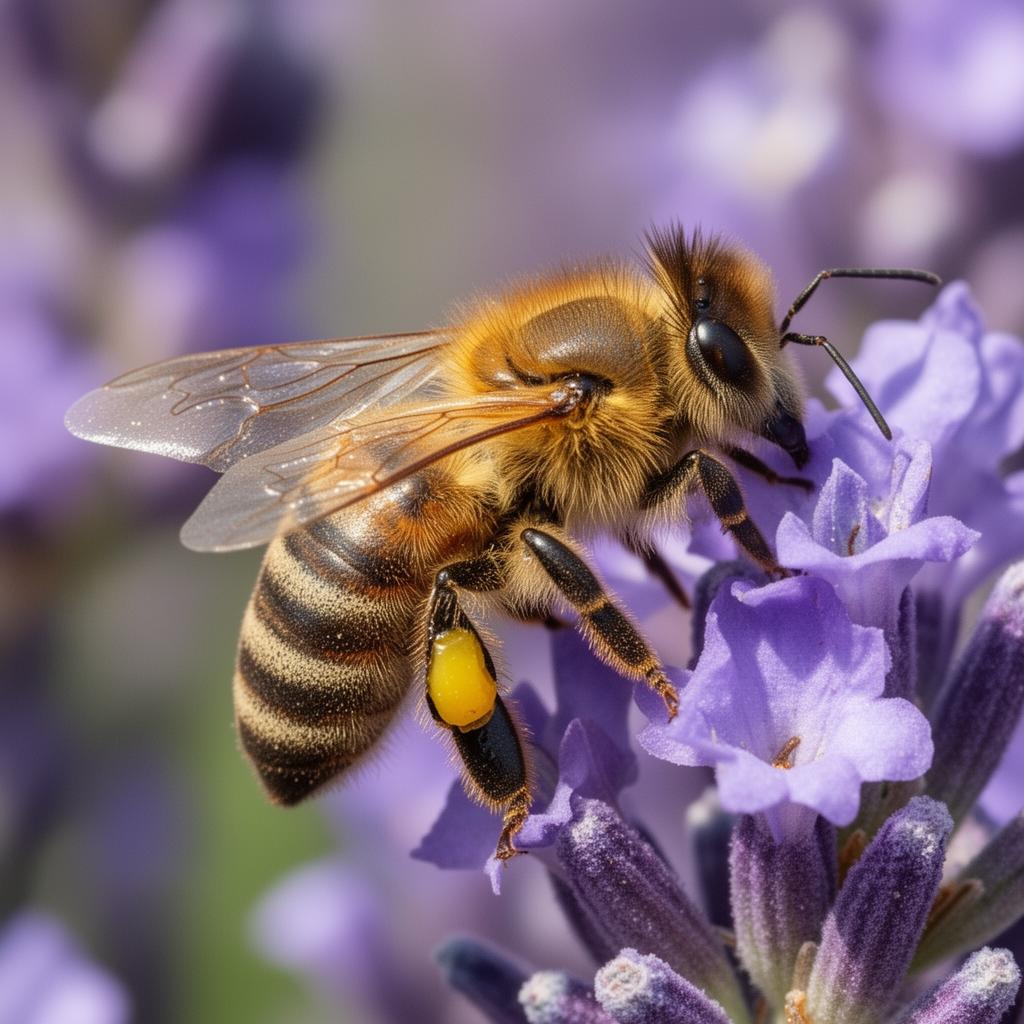
| Feature | Detail |
|---|---|
| Size | 12-15mm |
| Appearance | Amber-brown, more hairy than wasps, darker than bumblebees |
| Nesting | Wall cavities, roof spaces, hollow trees, chimneys. Up to 30,000 individuals. |
| Swarming | Honey bee swarms are a large cluster of bees resting on a tree or wall while looking for a new nest site. Swarms are temporary — usually move on within 24-72 hours. |
| Sting | Barbed stinger detaches — remove by scraping, not squeezing |
| Should we treat? | We refer honey bee swarms to local beekeepers who will often collect them for free. |
| Who to contact | British Beekeepers Association (bbka.org.uk) can locate a local swarm collector |
Bumblebee (Bombus species)
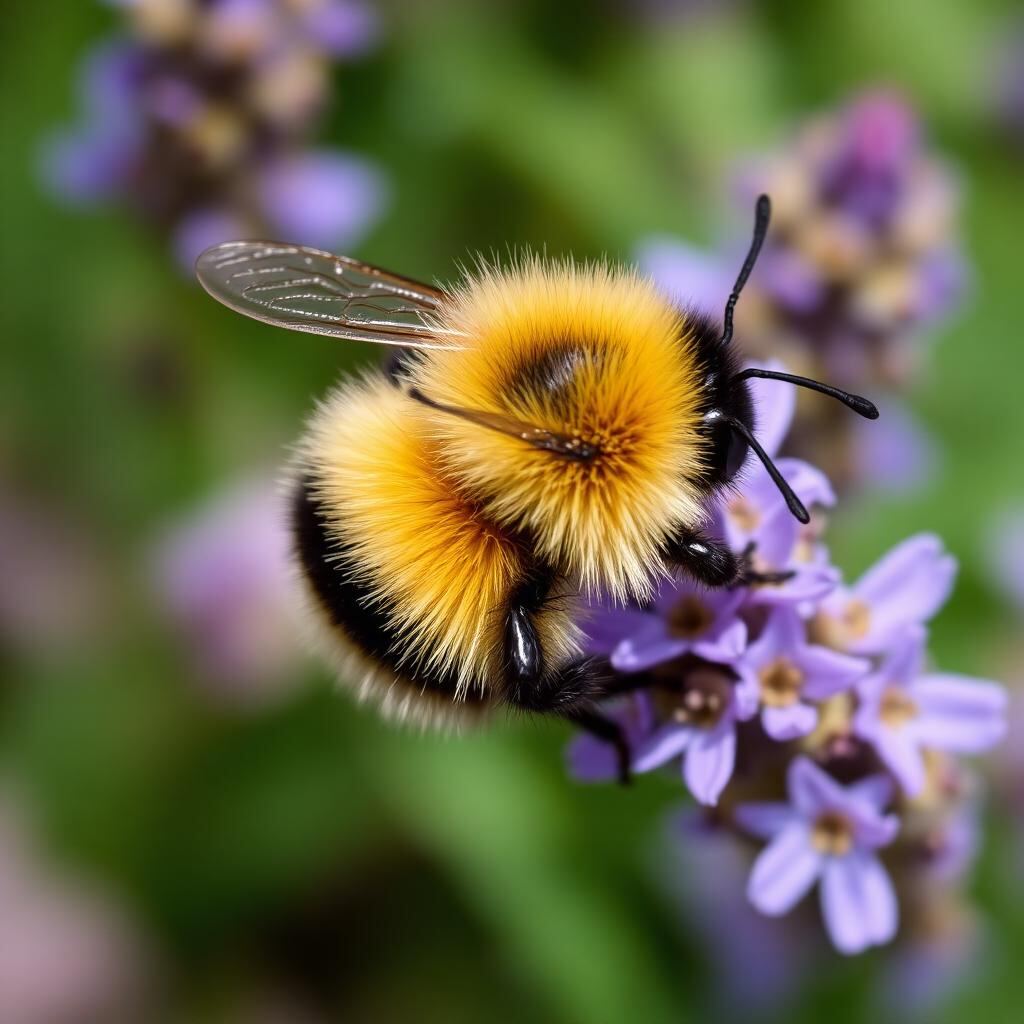
| Feature | Detail |
|---|---|
| Size | 15-25mm — larger and fatter than honey bees or wasps |
| Appearance | Round, very fluffy body. Yellow and black, orange-tailed, red-tailed. |
| Nesting | Underground (old mouse holes, compost bins, under shed bases), sometimes loft insulation |
| Colony size | Very small — 50 to 300 individuals |
| Aggression | Very low. Bumblebees rarely sting unless directly handled or trapped. |
| Should we treat? | No. Bumblebees are protected and play a vital ecological role. Colonies naturally die out by September. |
Solitary Bees (mining, mason & leafcutter)
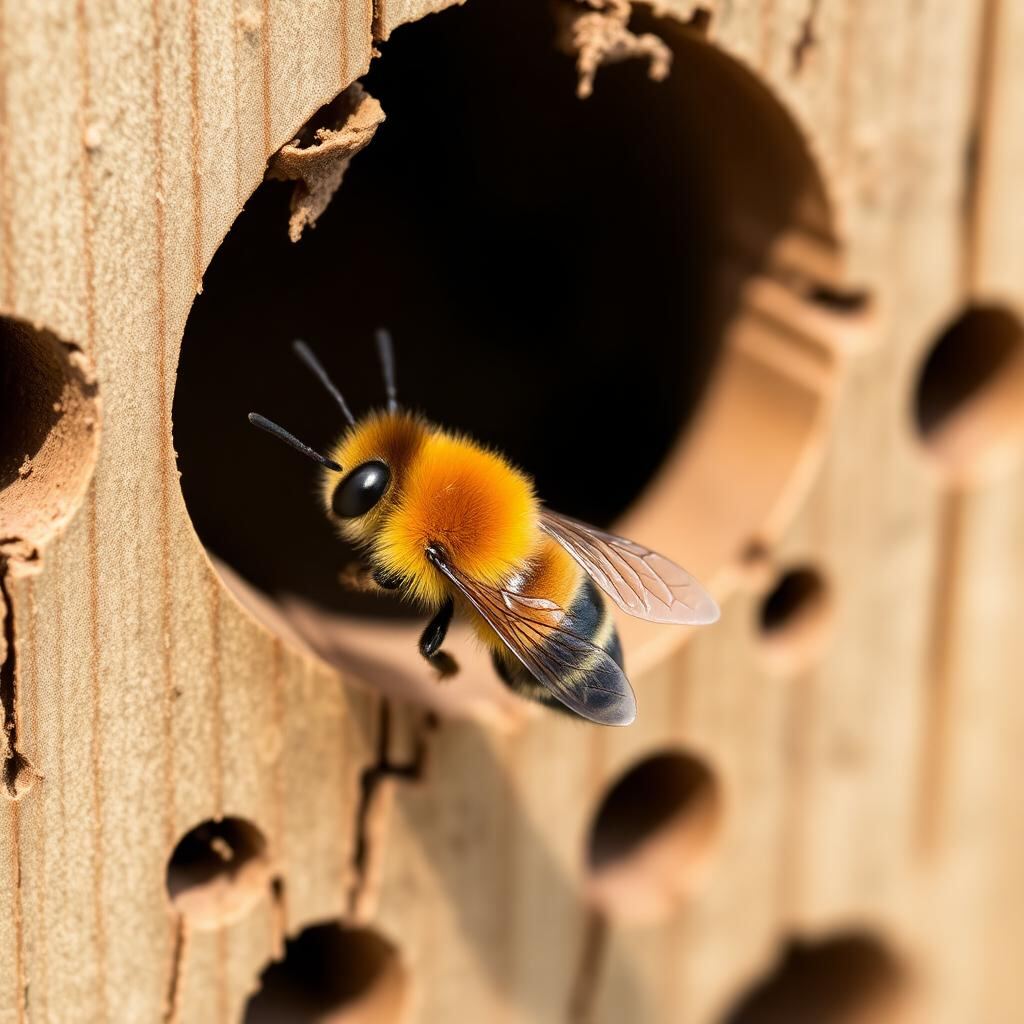
| Feature | Detail |
|---|---|
| Types | Red Mason Bee, Tawny Mining Bee, Leafcutter Bee and many others |
| Appearance | Variable. Many look similar to honey bees. Tawny Mining Bee females are very orange and fluffy. |
| Nesting | Individually in sandy soil (mining), holes in mortar (mason), or rolled leaves (leafcutter) |
| Colony | Solitary — each female makes her own nest. Mass emergence in spring can look alarming. |
| Aggression | Essentially zero. Solitary bees extremely rarely sting. |
| Should we treat? | Never. Solitary bees are important pollinators and protected. |