
Soffit & Fascia Nests
Wasp Nest in Soffits, Fascia or Eaves
Boxed-in soffits are textbook wasp nest territory — particularly on the inter-war semis that dominate Harpenden, Hitchin, Stevenage and St Albans. Treatment is at the gap from outside; nothing is opened up.
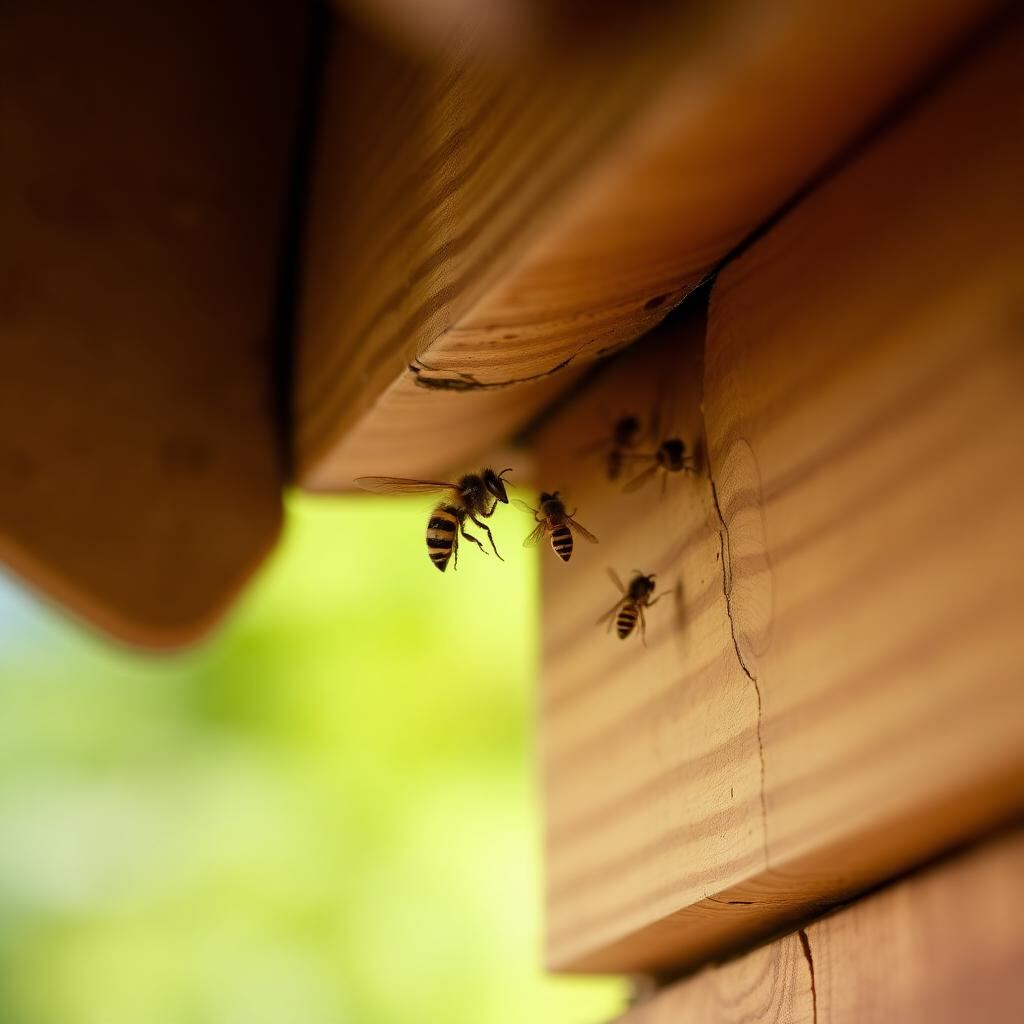
Why soffit nests are so common in Hertfordshire
A huge share of Hertfordshire's housing stock is 1920s-1960s semi-detached, with boxed-in timber soffits that create a long, narrow void at the eaves. The void is dry, sheltered, ventilated and inaccessible to predators — a queen wasp's first choice in spring. Common entry points:
| Entry point | Where to look |
|---|---|
| Gap where the soffit meets the wall | The most common. Look at the corner where the soffit board returns to the brickwork. |
| Soffit vent (round or rectangular plastic insert) | Wasps enter through the vent slot. Often the entry point is at one specific vent while the others are unused. |
| Gap at a fascia board junction | Where one fascia board joins the next. Common on older timber fascias that have shrunk. |
| Behind the gutter at a join | Wasps enter behind the gutter where the fascia is hidden. Trickier to spot from the ground. |
| Above a bay window flat-roof junction | The boxed flat-roof structure over a bay window often creates a connected void with the main soffit. Particular hot spot on 1930s semis. |
Watch the eaves for 2-3 minutes. A soffit nest gives itself away by a steady commute of wasps to and from one point on the underside of the eaves. The activity is heaviest mid-morning and mid-afternoon.
How we treat a soffit nest
- We confirm the entry point from the wasp flight pattern. Soffit nests often have an obvious entry that takes seconds to identify.
- Powder is applied at the entry gap from outside, using a long-reach applicator from the ground or a ladder depending on the height.
- Colony inactive within 2-4 hours. Soffit nests are usually fully quiet by the next morning.
- Seal the entry point after the colony is dead — typically 7-10 days. We can advise on the right approach for your soffit material.
- Free revisit guarantee.
Related guides
- Wasp nest in a loft
- Wasp nest under roof tiles
- Wasp nest in a wall cavity
- Wasp nest removal cost
- Hertfordshire coverage areas
Frequently asked questions — soffit nests
How can the nest be in the soffit — there isn't space?+
Boxed-in soffits — typical on 1930s, 1950s and 1960s semis — create a void inside the box that runs the length of the eaves. It is dry, sheltered and ventilated, with multiple potential entry points. A full football-sized colony fits easily inside the soffit box itself.
Will treatment damage the soffit board?+
No. Powder is applied at the existing wasp entry point — usually a gap at a board junction, around a soffit vent, or where the fascia meets the wall. Nothing is opened, drilled or lifted.
We have UPVC soffits — does that change the treatment?+
No. UPVC soffits are typically clipped to a timber sub-frame, with gaps at the corners and at vent inserts. The wasp entry point is the same kind of small gap.
Do I need to be home for the treatment?+
Not strictly — treatment is from outside. But we prefer the homeowner to be there to confirm the entry point and explain aftercare. Most treatments take 20-40 minutes from arrival.
What if the soffit cavity connects to the loft?+
Very common. In most 1930s semis the soffit void opens into the main loft void at the eaves. The treatment is the same — powder at the entry point reaches the colony wherever it is built within the connected voids.
Wasps in your soffits or eaves? Call 01727 789571. Same-day service. Fixed price from £99. Free revisit guarantee.