
Seasonal Guide
When Do Wasps Die Off in the UK? The Complete Seasonal Guide
If you are reading this in late summer with a wasp problem, you are almost certainly hoping the answer is 'very soon'. We understand. Here is the honest picture.
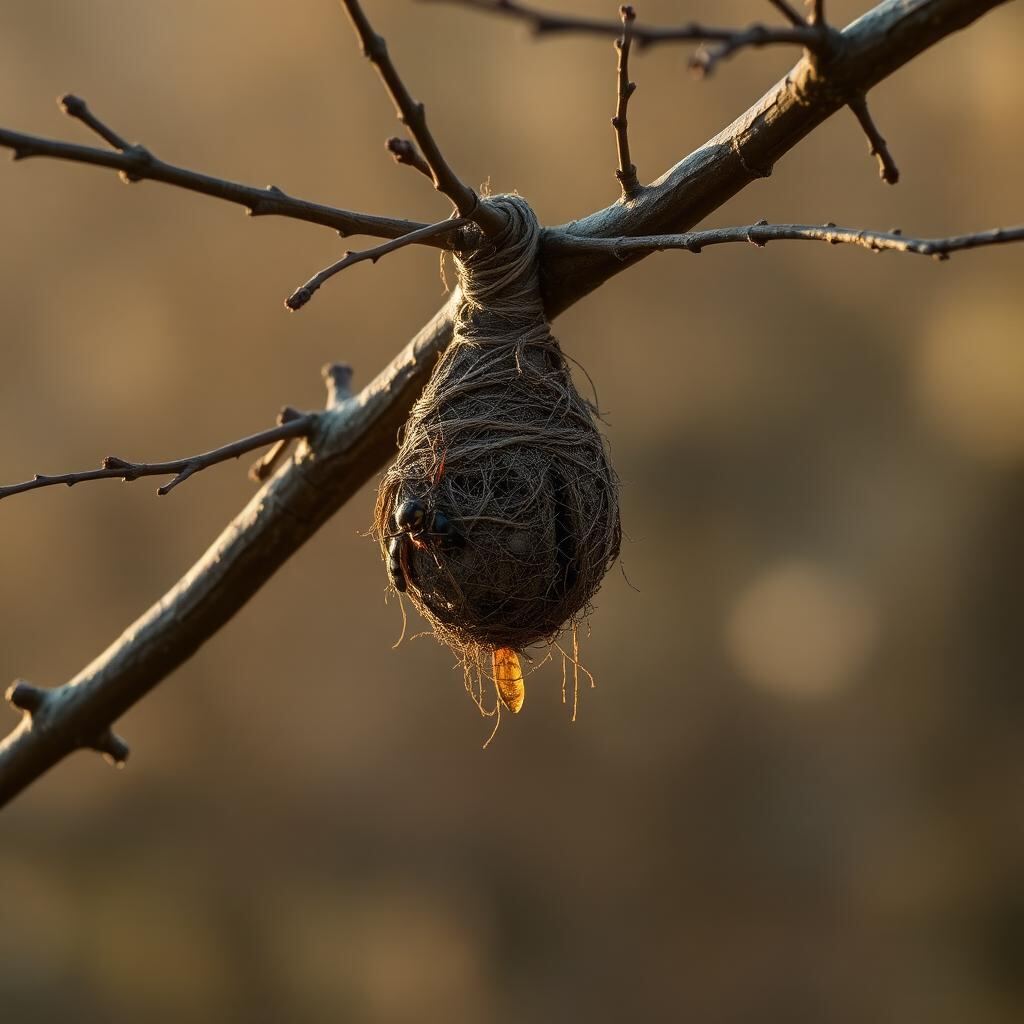
- Colony decline begins in mid-to-late September in most parts of England.
- The majority of wasp nests are completely inactive by late October.
- In mild autumns, some colonies persist into early November.
- The trigger is a combination of falling temperatures, reduced food availability, and internal colony breakdown — not simply cold weather alone.
- Only the newly mated queens survive winter, each hibernating independently.
The detailed answer: what actually triggers colony collapse
The death of a wasp colony is not a single event triggered by one cold night. It is a gradual process driven by three converging factors, each of which accelerates the others.
Factor 1: Breakdown of the colony's social structure
Throughout summer, the colony functions because the queen produces pheromones that suppress reproductive development of workers and coordinate behaviour. In late summer the queen shifts to producing new queens and males. As this happens, her pheromone output changes and the social structure begins to dissolve.
Workers no longer have larvae to feed (the last larvae have matured). They lose the sugar supply they received from larvae and must find sugar independently. Without purposeful colony work, behaviour becomes erratic. This is the direct cause of the aggressive, unpredictable wasps you encounter in September — they are not part of a functioning colony but individuals without a role.
Factor 2: Temperature
The temperature threshold for wasp activity is approximately 10°C. Below this, wasps become sluggish and eventually inactive. When night-time temperatures consistently drop below 10°C — typically from mid-September in the Midlands and North, slightly later in southern England — the colony begins to die off in earnest. In Hertfordshire, consistent night-time temperatures below 10°C typically arrive sometime in October, though mild autumns can push this to November.
Factor 3: Food scarcity
As summer ends, the insect prey that workers hunt for protein becomes scarcer. Flowering plants reduce. Fruit on the ground — a significant late-summer food source — becomes less available. Combined with the loss of larvae-derived sugar, workers are increasingly unable to find the energy they need. Starvation accelerates the die-off alongside the cold.
The September problem — why this is the most dangerous month
There is a painful irony about September: it is the month when the wasp problem feels most acute even though the colony is dying.
| Why September is dangerous | What's happening |
|---|---|
| No larvae to return to | Workers earlier in the season had a clear purpose: feed and protect the larvae. September workers have no larvae to return to and no clear purpose — they are more likely to pursue a perceived threat. |
| Hunger and metabolic stress | Without their larvae-sugar supply and with natural food sources reduced, September workers are physiologically stressed. This increases aggression. An insect that is hungry, purposeless, and nearing the end of its 12–22 day lifespan has much less to lose from a sting. |
| Higher numbers of wasps near humans | The absence of larvae-sugar drives workers to seek sweet foods near humans — outdoor dining, bins, fallen fruit. More wasps near humans means more accidental encounters. |
| Still large colony numbers | Despite the decline starting, September colonies can still contain thousands of workers. Defensive capacity remains substantial even as individual worker behaviour becomes less predictable. |
Month-by-month countdown to die-off
| Period | What is happening with the colony |
|---|---|
| August | Colony at or very near peak. Queen producing new queens and males as well as workers. Social structure beginning very subtle early shifts. Workers still purposeful and focused. Nest fully active. |
| Early September | New queens and males maturing and beginning to leave the nest to mate. Queen's pheromone control weakening. Workers increasingly lacking their larvae-derived sugar supply. Behavioural shift begins. Aggression increases noticeably. |
| Mid September | New queens have mostly dispersed. Males dying after mating. Original queen declining. Worker population at peak but with no cohesive purpose. Individual workers seeking sugar near humans aggressively. Colony structure breaking down rapidly. |
| Late September | Worker numbers declining as individuals die and are no longer replaced. Reduced activity at the nest entrance compared to August peak. Still enough workers to deliver a serious defensive response if disturbed. |
| Early October | Significant reduction in nest activity. Workers dying faster than any replacements. Nest entrance traffic much reduced. Original queen dead or nearly so. |
| Mid-Late October | Colony largely or completely inactive in most years. Last surviving workers dying with the cold. New queens already in hibernation. Nest abandoned. |
| November onward | No active wasps at all. Colony completely dead. Physical nest empty and beginning to decay. Occasionally a hibernating queen may be visible if disturbed — she is dormant and poses minimal risk. |
Do wasps hibernate?
Only the newly mated queens hibernate. Every other member of the colony — workers, drones, and the original queen — dies. This is a fundamental difference from bumble bees (where the new queen also hibernates) and honey bees (where the entire colony overwinters together).
A wasp queen hibernates alone in a process called diapause — a state of dramatically reduced metabolism. She does not form groups with other queens, does not return to the old nest, and will not be seen flying until the following spring when temperatures warm consistently above 10°C.
If you see a large, lethargic wasp in your home in January or February, it is almost certainly a hibernating queen that has been disturbed by heating or activity. She is not part of an active colony. She can be removed carefully or simply left to return to dormancy when the temperature drops again.
Related guides
- The wasp life cycle
- What happens if you leave a wasp nest?
- Can I remove a wasp nest myself?
- Prevention guide
- Signs of a nest